Abstract Floral Flower Design Review
First Impressions of Abstract Floral Flower Design
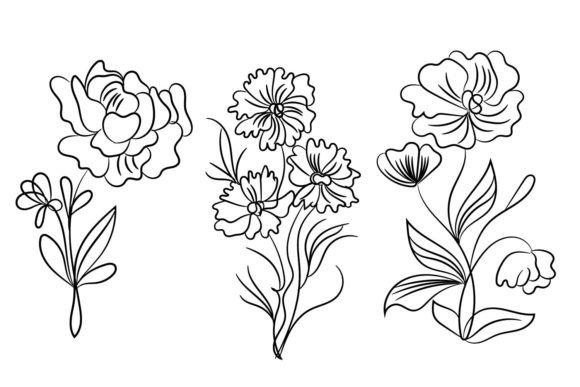
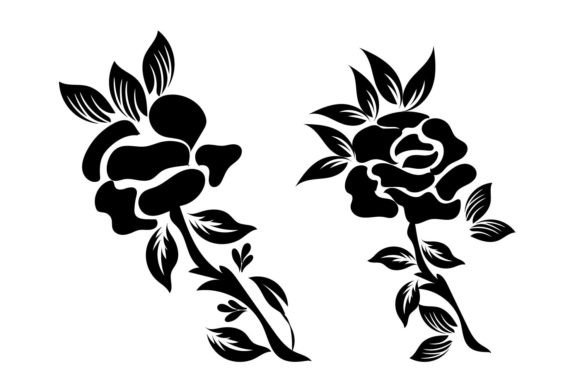
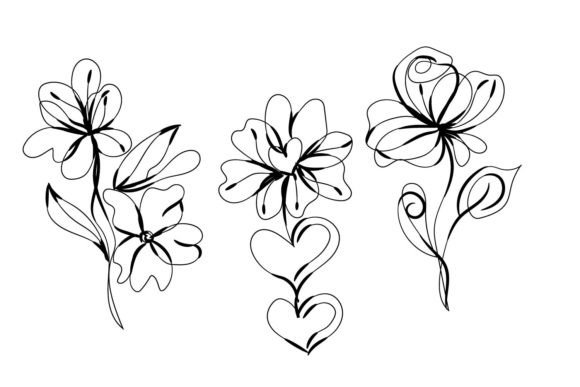
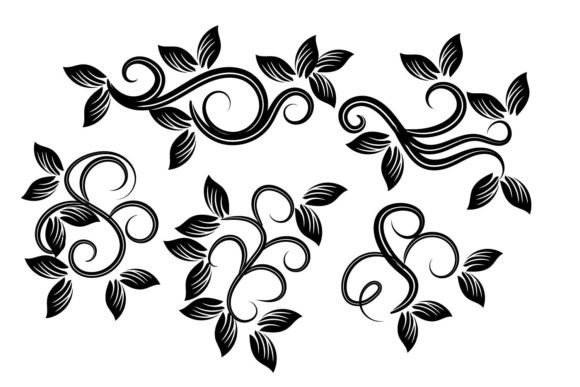
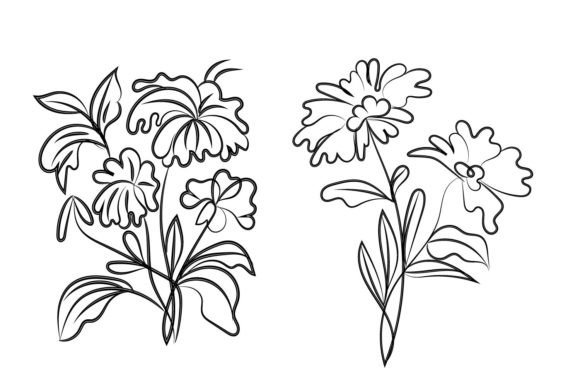
The Abstract Floral Flower Design immediately catches the eye with its unique blend of soft curves and bold shapes. The composition feels modern yet timeless, making it versatile for a range of projects. The design has a calm, artistic energy that suggests it would work well in both casual and more refined settings.
Its layout is balanced, with enough detail to be visually engaging without overwhelming the eye. The use of negative space gives it a clean, breathable feel, which is ideal for embroidery where too much detail can become busy or hard to stitch.
This design seems most suited for custom apparel, tote bags, and baby items where a touch of elegance is desired. It also has potential as an embroidered patch or decorative element on home goods like pillow covers or tea towels.
Real-Life Embroidery Scenarios
Imagine preparing a custom embroidered tote bag for a client who wants something unique but not overly complicated. The Abstract Floral Flower Design could be the perfect centerpiece. Its abstract nature allows for creative interpretation, and the simplicity of the form makes it adaptable to different fabric types and color schemes.
For a sweatshirt or t-shirt, this design would add a subtle sophistication. It’s not too intricate to cause issues with stitch density, and its shape should hold up well on flat surfaces. However, if you're planning to use it on a cap or hat, you’ll need to consider how the curve affects the design's proportions.
In a baby item like a onesie or blanket, the Abstract Floral Flower Design could provide a gentle, non-overwhelming visual element. It’s ideal for parents who want something artistic but not too detailed, especially if they’re looking for a design that can be personalized with names or dates.
Where to Use Carefully
While the Abstract Floral Flower Design is generally versatile, there are some situations where caution is advised. On small hoop sizes, the design might require careful placement to avoid distortion. If the design includes fine details, it could be challenging to stitch accurately in tight spaces.
On textured fabrics, such as denim or canvas, the design may not show up as clearly as it would on a smooth surface. Thin or stretchy fabrics might also affect the final look, especially if the design uses dense stitching. Dark fabrics could make certain elements less visible unless the thread colors are carefully chosen.
If the design is used on layered garments or curved surfaces, like a cap, the stitching might pull or distort. It’s important to test the design on similar materials before committing to a larger project.
Impact on Visual Appeal and Customer Perception
The Abstract Floral Flower Design has the potential to elevate the visual appeal of any product it’s used on. Its clean lines and artistic flair can make a handmade product stand out in a crowded market. For Etsy sellers or small shop owners, this design could help differentiate their offerings from more generic options.
When used effectively, the design can enhance the perceived value of a finished product. Customers often associate well-designed embroidery with quality craftsmanship, which can lead to increased trust and repeat business. It also supports brand consistency, especially for businesses that rely on a cohesive aesthetic across their product line.
As a personalized gift, the Abstract Floral Flower Design offers flexibility. It can be adapted to fit different occasions, from weddings to holidays, and its abstract nature allows for creative customization. This makes it a strong choice for gift items that need to feel special but not overly complex.
Practical Designer Notes
Before using the Abstract Floral Flower Design in your own projects, it’s wise to test it on scrap fabric. This will help you understand how the stitches interact with different materials and whether the design needs adjustments for your specific machine or setup.
Check the contrast between the thread colors and the fabric. Some designs may look great on white or light backgrounds but appear washed out on darker ones. Also, review the stitch density to ensure it’s appropriate for the fabric type you’re using.
Confirm the hoop size required for the design. If it’s too large for your machine, you may need to split it into sections or adjust the layout. Inspect small details closely—sometimes what looks good on a screen doesn’t translate perfectly to fabric.
Test the design in black and white mockups to see how it holds up without color. Compare it on both light and dark fabric backgrounds to determine the best application. Using the right stabilizer is crucial, especially for delicate or stretchy fabrics.
Make sure the design works for both personal and commercial projects. Check the licensing terms before selling finished items or digital products to avoid any legal issues. If the design is intended for printable mockups or digital product previews, ensure it scales well and maintains clarity at different sizes.